
Skin Aging in a nutshell
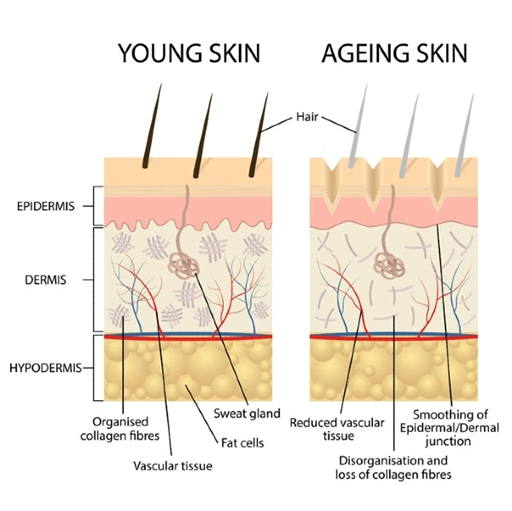
Skin aging encompasses intrinsic and extrinsic factors. Intrinsic aging progresses naturally, resulting in gradual skin changes such as thinning, dryness, and reduced elasticity. Extrinsic factors, including UV exposure and environmental stressors, accelerate aging, leading to wrinkles and hyperpigmentation. Concurrently, cellular senescence and degradation of the extracellular matrix contribute to skin aging by promoting inflammation and tissue degradation. Changes in dermal components further exacerbate aging effects, with alterations in collagen production and communication between skin layers. Understanding these multifaceted processes is essential for devising effective anti-aging treatments and skincare strategies tailored to address specific mechanisms of skin aging.
Why P-DEV?
P-DEV are tiny extracellular vesicles (80-150nm), derived from plants involved in cell-to-cell communication. released by donor cells to subsequently modulate the function of recipient cells. They contain various bioactive molecules such as lipids, proteins, and nucleic acids, which can exert diverse effects on skin cells.
Studies suggest that plant-derived exosomes possess antioxidant, anti-inflammatory, and regenerative properties, which can help mitigate the effects of aging on the skin.
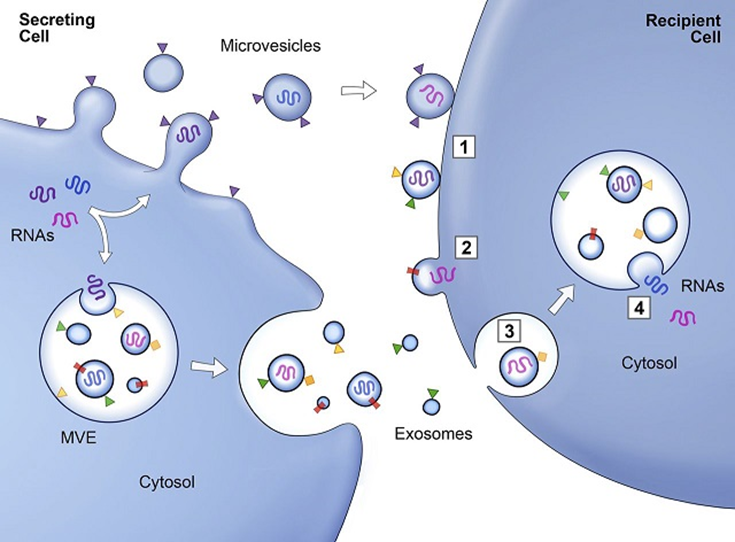
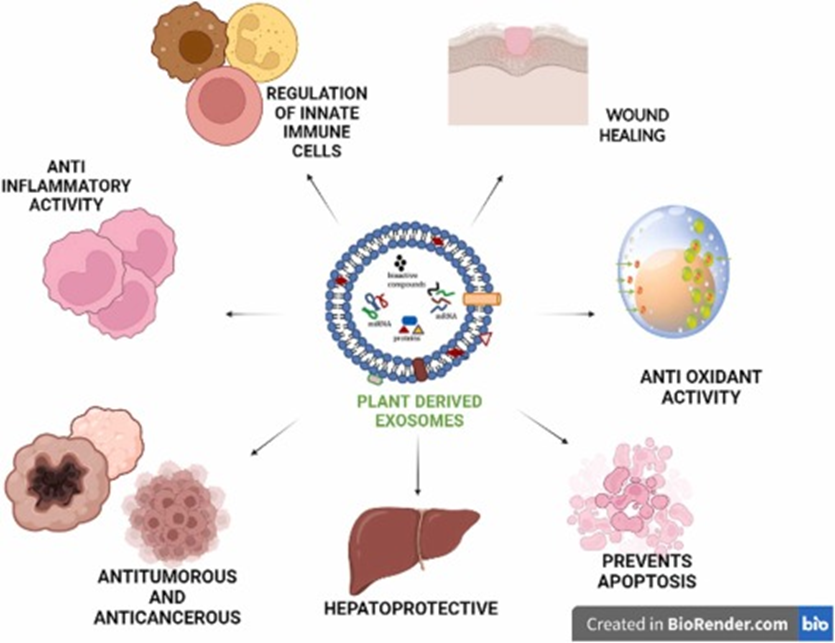
One key benefit of plant-derived exosomes is their remarkable ability to penetrate the skin effectively. Their efficient penetration allows them to reach deep skin layers, where they can modulate cellular signaling pathways involved in skin aging. They can stimulate collagen production, promote cellular repair mechanisms, and inhibit the expression of pro-inflammatory factors. Additionally, plant-derived exosomes may enhance skin barrier function, improve hydration, and reduce the appearance of wrinkles and fine lines. Furthermore, their natural origin makes them a promising alternative for skincare products, potentially offering safer and more sustainable anti-aging solutions compared to synthetic compounds.
